
Designing Homes for Tomorrow: A Personal Journey Through Ageing in Place
As I turn 50, I'm faced with the realities of ageing, not just for myself but also for my parents, who are approaching their 80s. This reflection has led me to explore how assistive technology and smart home automation can enhance the experience of Ageing in Place for older adults like my parents—and eventually, for all of us.
Why Ageing in Place Matters in Australia
It has been well-documented that Australia has an ageing population. According to the 2021 Census, 29%, or just under a third, of the population were aged over 55 years. My fellow Gen Xers (40-54 years) make up the next 19.3%. Australians are getting old, and quickly.
Unfortunately, no amount of Botox can stop the actual aging process so we need to come up with other ways to make our aging journey smoother. One key aspect of this is how and where we live as we get older.
Thankfully for now, my parents are living together comfortably in the family home. Aside from the house cleaner that comes in once a week and the lawnmower man that visits every month, they’re living independently. The focus is most definitely on keeping them living in their own home for as long as possible, rather than moving them to an assisted living facility or nursing home as they age. This concept has been coined, “Ageing in Place” and includes designing homes and interiors that accommodate the physical and cognitive changes associated with getting older.
Ageing in Place Principles
The phenomenon of ageing in place means that the design of new homes and renovations of existing homes should incorporate up to fifteen Livable Housing Design Guidelines including the more obvious age-friendly safety and accessibility features such as step-free entrances, wider doorways, and non-slip flooring.
Just as importantly, the design needs to be conducive to health and longevity. According to research by Boyden, “well-being features in building design need to … provide the ability to maintain and control personal comfort, allow one to make connections to the natural environment, and have meaningful change and sensory variability.”
Assistive Technology and Smart Home Automation
We need to explore how assistive technology such as smart home automation systems could be integrated into our homes for added convenience, comfort and independence for older adults. Wouldn’t it be great if the bedroom and living area curtains would automatically open at a time set by my parents to let in the morning sunlight? Save them having to get up and physically draw the curtains for the whole house every day. The same smart home automation could switch on lights at a set time each day or even allow easy ways for them to check the days weather or news.
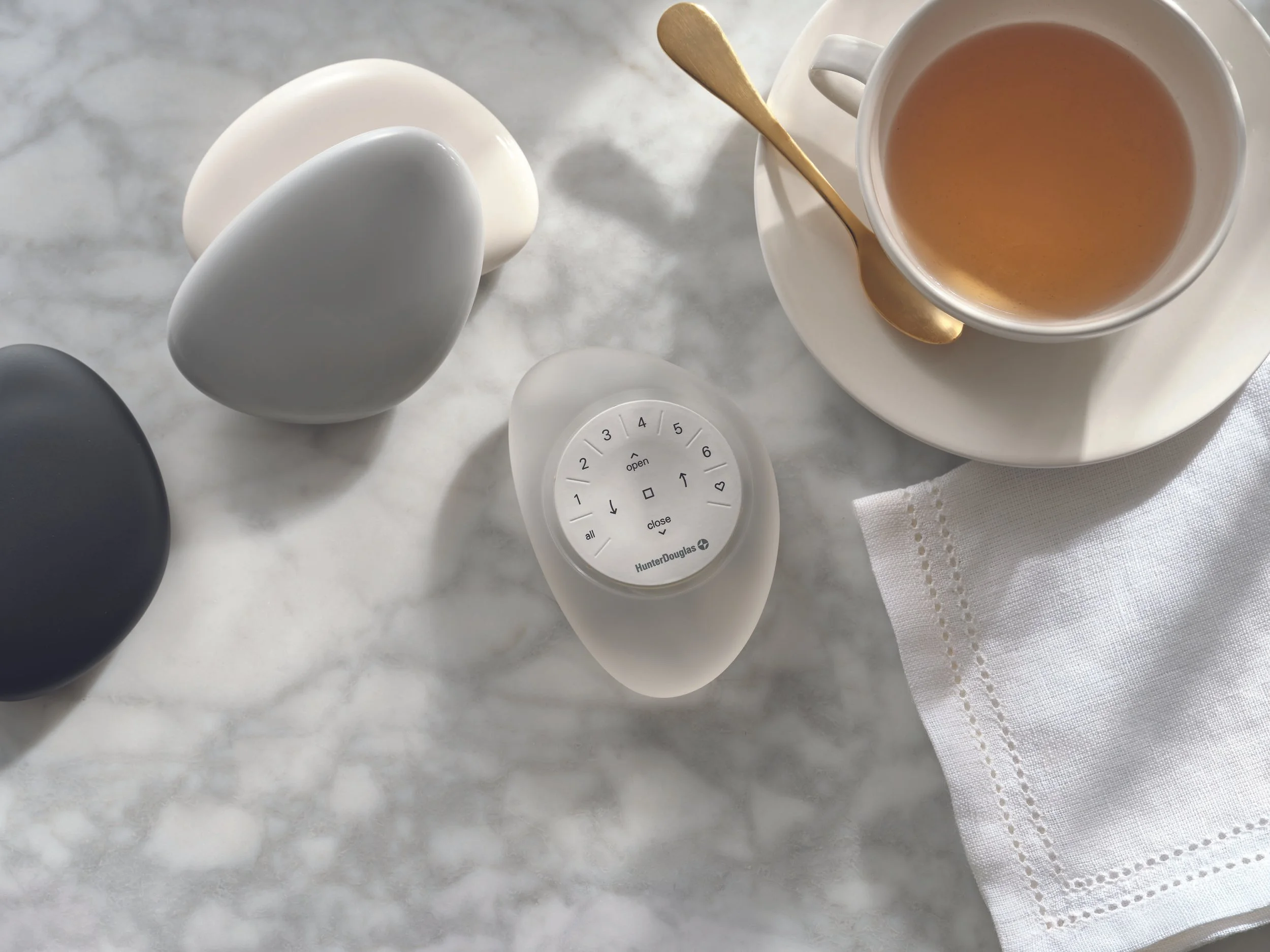
Hunter Douglas Pebble Remote - Control at the touch of a button
Home Modifications that Make a Difference
We need to also consider how a home’s ambient qualities such as natural light, ventilation, acoustics and thermal comfort, contribute to its comfort and liveability. “Decades of studies have shown that natural light has a powerful, and often positive, effect not only on mental health, but also on physical health and general well-being.” https://www.uclahealth.org/news/being-in-natural-light-improves-mood-increases-happiness There’s nothing better than feeling the warm sun on your skin, at any age. Blinds and curtains play a crucial role in managing natural light levels and creating a harmonious indoor environment. With adjustable blinds, homeowners can effortlessly control the amount of sunlight entering their living spaces, ensuring optimal illumination while reducing glare and maintaining privacy. Additionally, curtains can add a touch of elegance and warmth to a room while providing an extra layer of insulation and sound absorption. When it comes to ventilation and thermal comfort, strategically placed blinds and curtains allow for airflow regulation and temperature moderation, contributing to a sense of tranquillity and vitality within the home. Look into automating your window coverings to make life easier now and in the future!
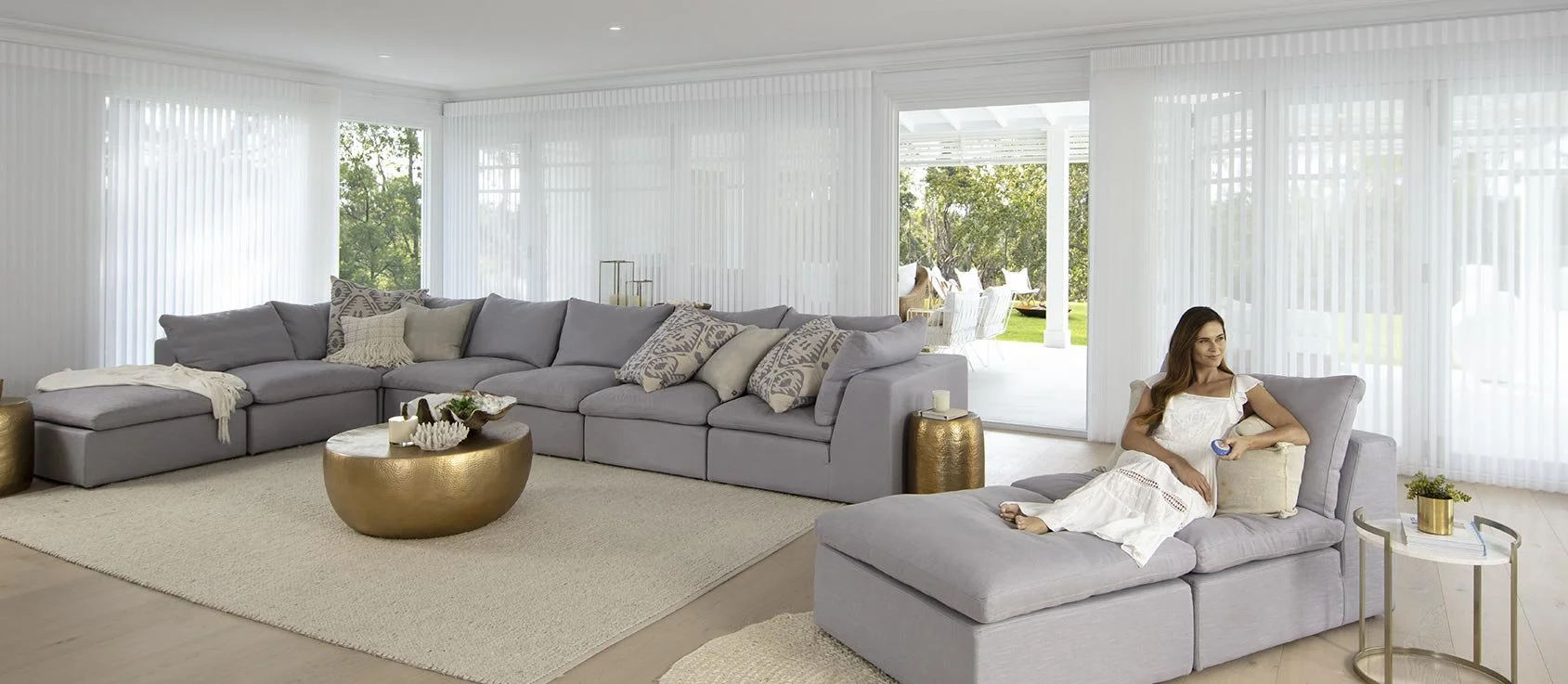
Make life easier now and into the future with automation
Enhancing Outdoor Spaces
There’s no denying the therapeutic benefits of gardens and outdoor spaces for older adults. They provide a connection to nature as well as opportunities for much-needed physical activity. In designing age-friendly outdoor spaces, it's essential to consider elements that promote safety, accessibility, and sensory richness. Installing outdoor awnings can be a valuable addition, offering shade and protection from the elements while allowing older adults to enjoy the outdoors comfortably. Whether it's a motorised folding arm awning over a seating area or a durable canopy to cover a garden path, these features enhance the usability of outdoor spaces throughout the day. With the right combination of landscaping, seating options, and shading solutions like our outdoor awnings, we can create outdoor environments that cater to the diverse needs and preferences of older adults, fostering relaxation, social interaction, and overall well-being.
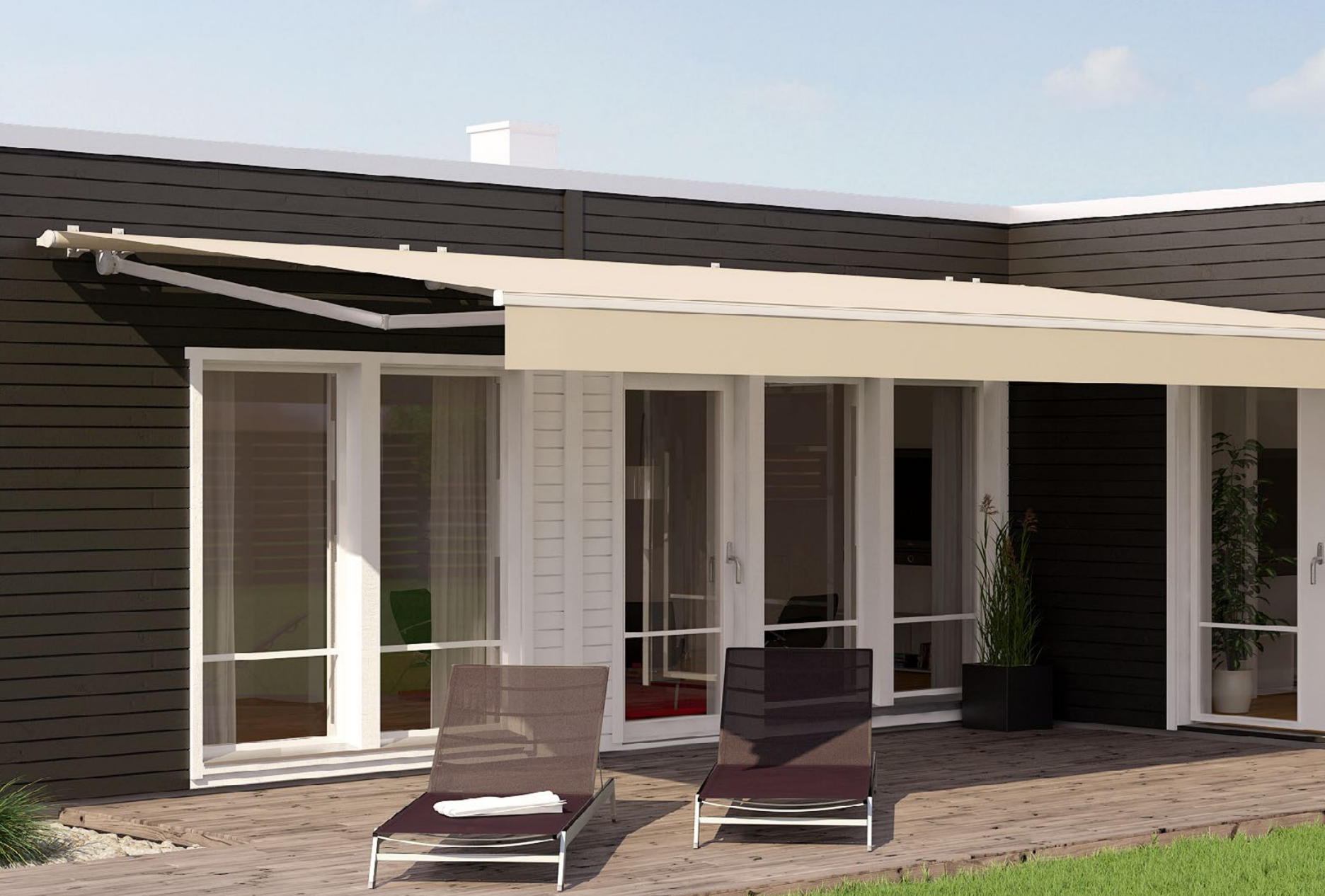
Enjoy the outdoors comfortably
Start Future-Proofing Your Home Now
It's never too early to consider embracing some of the Ageing in Place principles. If you’re like me and planning to renovate a tired bathroom, perhaps consider widening your doorway and shower entry, motorising the window blind and deleting any step-ups. The bathroom will still look great but you’ve just made it age-proof. If you’re planning on doing a backyard renovation, look at widening the paths, deleting as many steps ups as you can and ensuring you have a covered and accessible outdoor living area in your design so you can enjoy nature and the outdoors as you age. We need to future proof our homes for our older years to make sure that we’re not only physically safe but are comfortable and happy while we’re there. That’s the dream.
Ready to create age-friendly homes that support independence and well-being?
Explore our range of blinds, curtains, awnings, and motorisation solutions tailored for Ageing in Place. Start designing for the future today!
References
Boyden S: Biological determinants of optimal health; in Vorster DJ (ed): Proceedings of a Conference Held in Blantyre Malawi. London, International Biology Program, 1971 April 5–12.
https://www.abs.gov.au/statistics/people/population/population-census/latest-release
https://livablehousingaustralia.org.au/lha-platinum/